Live online · Fall 2026

Transcend AI Fall Term

Ten weeks of guided AI learning for kids and teens who want to build real projects, improve their ideas, and explain their work with confidence.

Starts Sept. 19Ten Saturdays through Nov. 21
12:00–2:00 PM ETOne live two-hour class weekly
Ages 8–16Two age-aware tracks
Maximum 8Students in each group
9,000+Children taught through 9jacodekids Academy, founded by Transcend founder Ugo Nkwocha.
10+ yearsChildren's technology education
Live + guidedSmall groups where every student builds
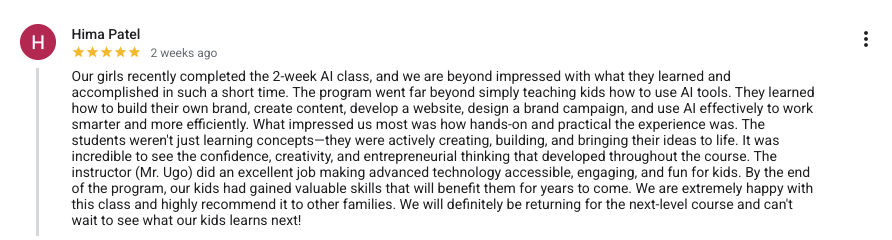
★★★★★
“We are beyond impressed with what they learned and accomplished.”
Hima Patel · Verified Google review

The goal is visible work your child can explain.

These live websites and tools began with students' own interests. Fall Term gives students more time to plan, build, test, improve, and tell the story behind what they made.

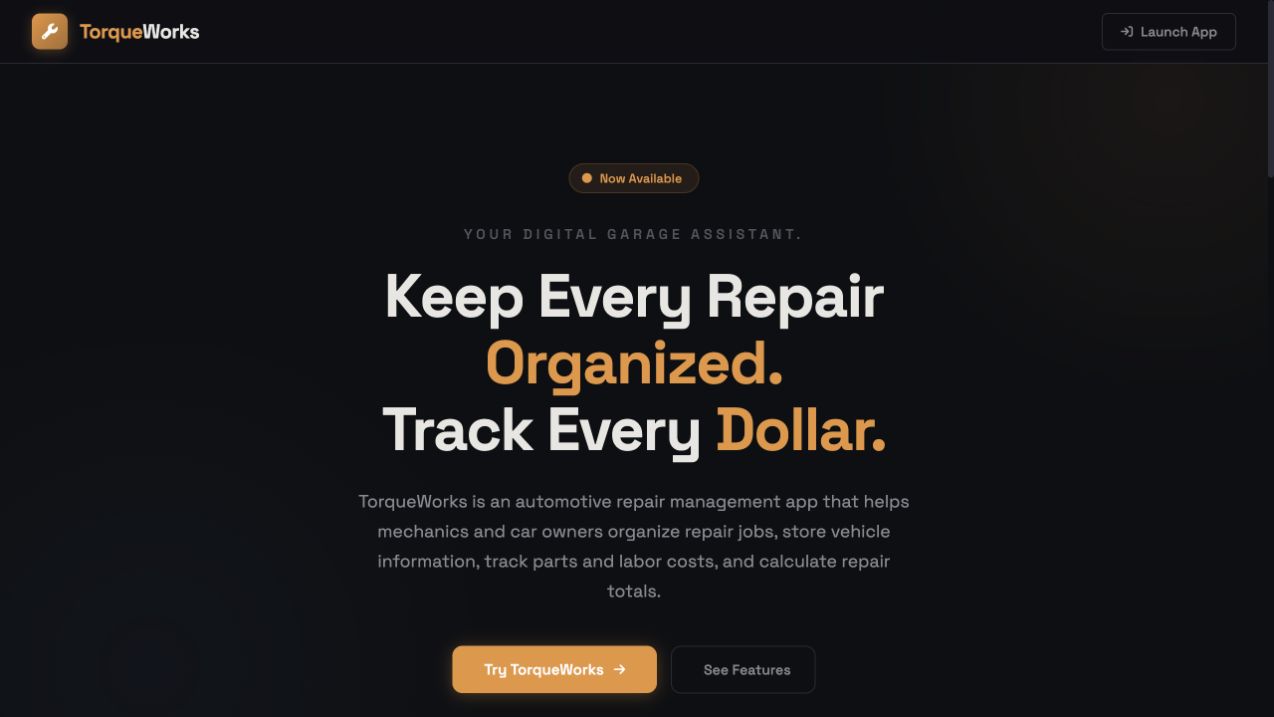
TorqueWorks student-built repair workflow application
Business workflow app

TorqueWorks

Jesael built a tool inspired by his mechanic dad's daily work.

Open live project ↗


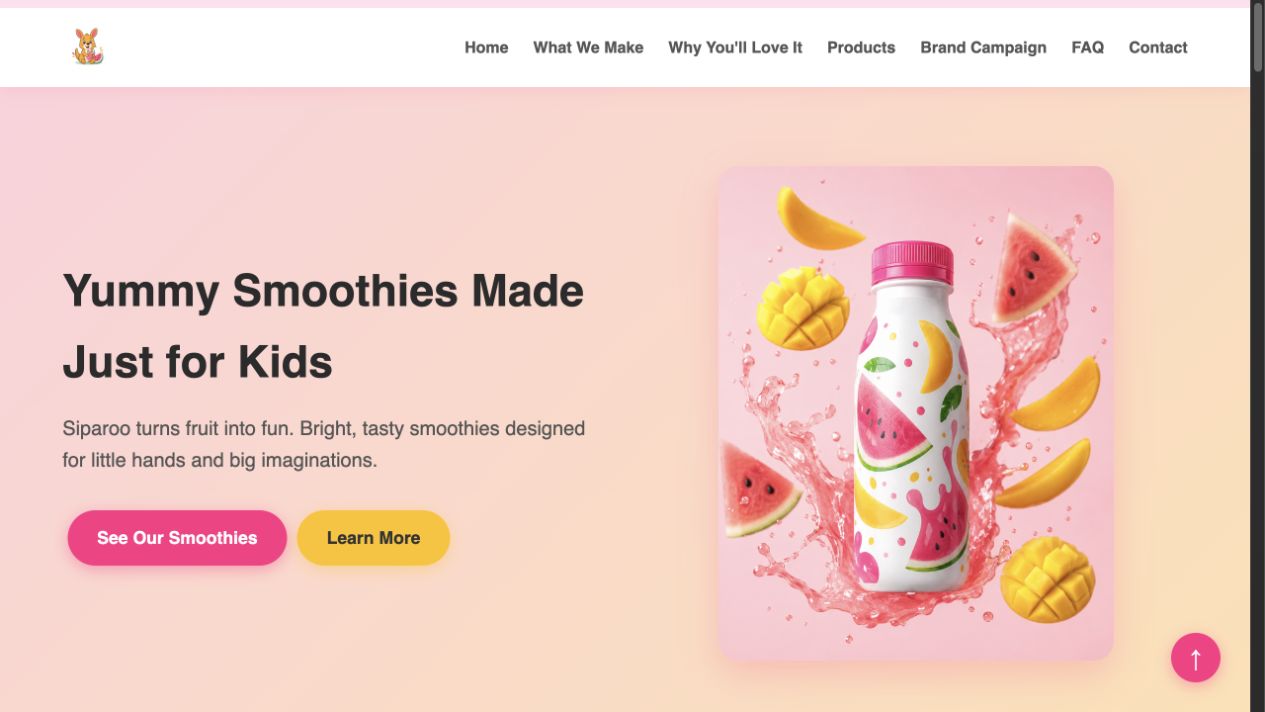
Siparoo student-built smoothie brand website
AI brand website

Siparoo

Nene turned her interest in healthy food into a playful smoothie brand for children.

Open live project ↗
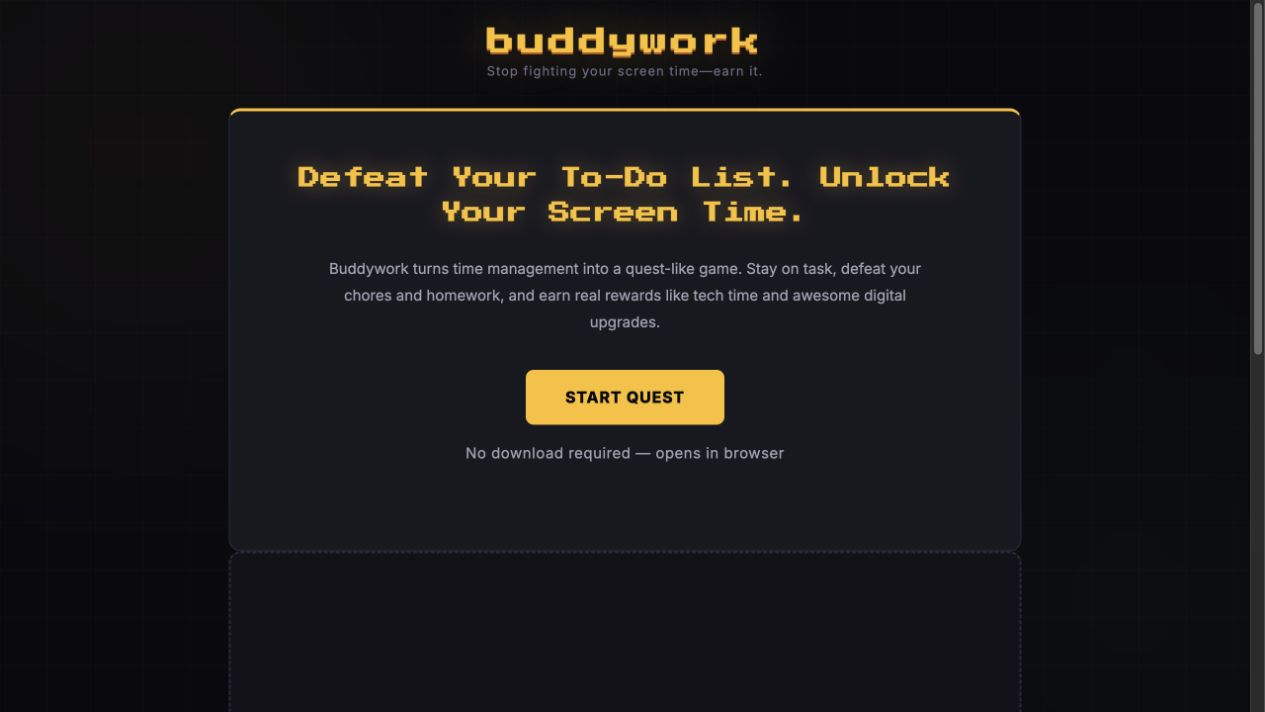
BuddyWork student-built productivity application
Productivity tool

BuddyWork

Westley built a focus tool he and his friends could use during school.

Open live project ↗
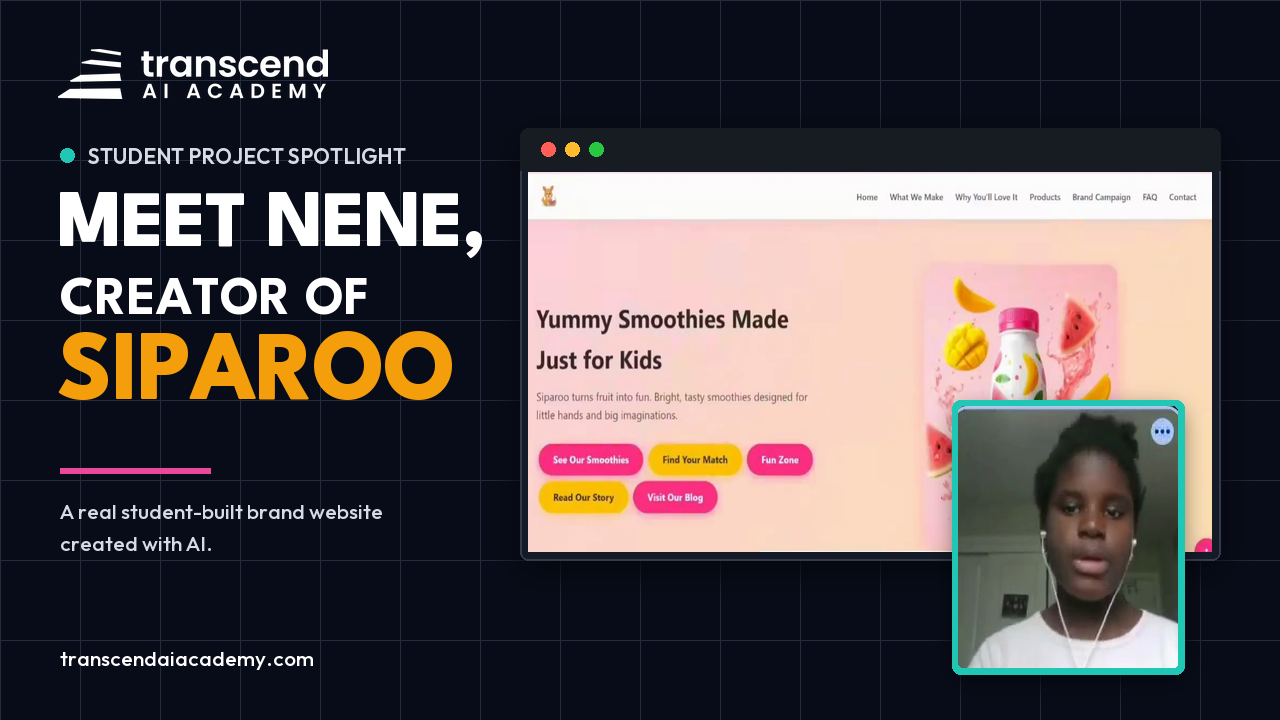
Student Demo Day

Watch Nene explain the thinking behind what she built.

This is Nene presenting Siparoo after Summer Camp. She shows what she created, identifies a difficult mobile navigation problem, and explains how she improved her prompt to solve it. Fall Term gives students more time to practise this same build, test, improve, and explain process.

Play Pause
Backward 10s Play Pause Forward 10s Unmute Mute
/
Settings Playback Accessibility
Announcements
Keyboard Animations
Enter PiP Exit PiP Enter Fullscreen Exit Fullscreen

Nene, creator of Siparoo | Presented to her instructor, classmates, and family during Summer Camp Demo Day.

How students learn

AI becomes a tool they direct, not a shortcut they follow.

Every class reinforces four habits students use while creating. The project matters, but the thinking behind it matters more.

01

Ask

Start with an idea and give AI clear direction.

02

Check

Read the output, catch mistakes, and verify what matters.

03

Improve

Treat the first result as a draft and make it stronger.

04

Explain

Show how the project was made and why each choice matters.

Two age-aware tracks

One philosophy, with projects matched to each stage.

Ages 8–11

Kids AI Track

Creative, structured projects that turn curiosity into safe and productive AI habits.

  • Stories, visual ideas, games, and simple websites
  • Guided prompting and age-appropriate checking habits
  • Confidence explaining what they made
  • Small build challenges without homework overload
Ages 12–16

Teen AI Advantage

More serious portfolio work connected to research, building, communication, and future readiness.

  • Websites, tools, workflows, and app prototypes
  • Planning, testing, debugging, and improving AI output
  • Project descriptions that show authorship and judgment
  • Presentation practice for school and beyond

Fall Term curriculum

What your child will build and learn each week.

The Fall Term follows the practical build sequence used in Summer Batch 1, now paced across ten Saturdays so students have more time to understand, improve, and take ownership of each piece.

One connected project journey. Open a two-week module below to compare what students ages 8–11 and 12–17 will build at each stage.
Week 1

Build and understand the website.

Website structure, HTML and CSS files, responsive design, and testing changes in the browser.

Ages 8–11

Build my first brand website

Create a fictional product-brand site with key sections, a footer, mobile menu, buttons, and a colourful visual style.

Ages 12–16

Build, read, and edit the site

Create a professional responsive brand website while learning how the HTML and CSS work and making direct edits.

Week 2

Sharpen the message and add the first images.

Audience-aware writing, useful page sections, image planning, generation, placement, and revision.

Ages 8–11

Improve it and make pictures

Improve the website words, add sections, plan brand images, create a product picture, and place it correctly on the site.

Ages 12–16

Polish, position, and add visuals

Give the brand a distinct look and voice, improve its positioning, add credible sections, and create and place brand images.

Week 3

Build the visual identity and campaign.

Consistent branding, logos, gallery assets, scripts, audio and video planning, and media integration.

Ages 8–11

Finish my brand pictures

Create a logo and gallery images, then fit the new visuals into the website so the brand feels complete.

Ages 12–16

Bring the brand to life

Write an ad script, design a brand presenter, plan a jingle, and build a campaign section for video and audio.

Week 4

Create media or an interactive feature.

Turning a clear idea into a working asset, reviewing the result, and improving how visitors experience it.

Ages 8–11

Make my ad video

Write a short ad script, design a presenter, create the video, and add a video section to the website.

Ages 12–16

Make the site interactive

Brainstorm and build a useful customer tool, then add another interactive touch that makes the site more helpful.

Week 5

Add sound and build more independently.

Creative direction, writing original prompts, working from a brief, and improving a build against clear requirements.

Ages 8–11

Make my jingle

Create and refine a short brand song, then add the finished jingle and brand video to the website.

Ages 12–16

Client website and AI App Studio

Interview a client, write an original brief and prompts, build to the brief, then plan and create a standalone app with greater independence.

Week 6

Build an interactive experience.

Planning logic, creating multiple pages or game states, testing interactions, and improving the experience.

Ages 8–11

Find Your Match and Fun Zone

Turn the project into a multi-page site with a matching quiz, Fun Zone, memory game, sounds, and shareable results.

Ages 12–16

Build a browser game

Plan and build an original game, test how it plays, and improve it with stronger mechanics and personal ideas.

Week 7

Publish, launch, and extend the project.

Hosting a working project, checking the live link, adding launch assets, and communicating what was built.

Ages 8–11

Go live and build a game

Publish the brand website, then build and improve a browser game with levels, scores, sounds, and a personal twist.

Ages 12–16

Market and launch it

Connect a contact form, plan the launch, create a launch page, and produce promotional posts and a flyer concept.

Week 8

Turn the work into a pitch.

Selecting the strongest evidence, organizing ideas into slides, and expressing the value in one clear sentence.

Ages 8–11

Build my pitch deck

Plan the presentation, create a visual pitch deck in Gamma, and write a clear one-line pitch for the brand.

Ages 12–16

Pitch and prepare for Demo Day

Organize the problem, solution, audience, live build, and personal contribution into a concise presentation.

Week 9

Tell the story and rehearse.

No AI for the storytelling work: students practise explaining choices, reveals, independent additions, and mistakes they fixed.

Ages 8–11

Tell my project story

Turn features into short, memorable stories and practise a complete presentation from opening to finish.

Ages 12–16

Present judgment, not a feature list

Build several strong mini-stories, explain what went wrong and how it was solved, then rehearse the full pitch.

Week 10

Portfolio and Demo Day.

Organizing evidence, reflecting on the process, presenting live, and answering questions about the work.

Ages 8–11

Present my brand

Use a clear presentation order, reflect on the project journey, and proudly demonstrate the finished brand experience.

Ages 12–16

Build and present my portfolio

Create one portfolio page for the projects, add clear project descriptions, and use it as the live Demo Day showcase.

Saturdays · 12:00–2:00 PM ET

Two focused hours, with a built-in break and substantial project time.

Students learn one new skill, use it immediately, and leave each class with visible progress instead of a long list of notes.

10 min

Review and plan

Reconnect with last week's work and set a goal.

20 min

Skill demo

One clear technique demonstrated live.

35 min

Guided build

Students apply the skill with instructor support.

10 min

Break

Time to move, reset, and return ready to create.

45 min

Build, test and share

Students improve their work, test it, and receive feedback.

Parent visibility

You should not have to wonder what your child is doing.

Fall Term is designed to make progress visible between classes, not only at the final presentation.
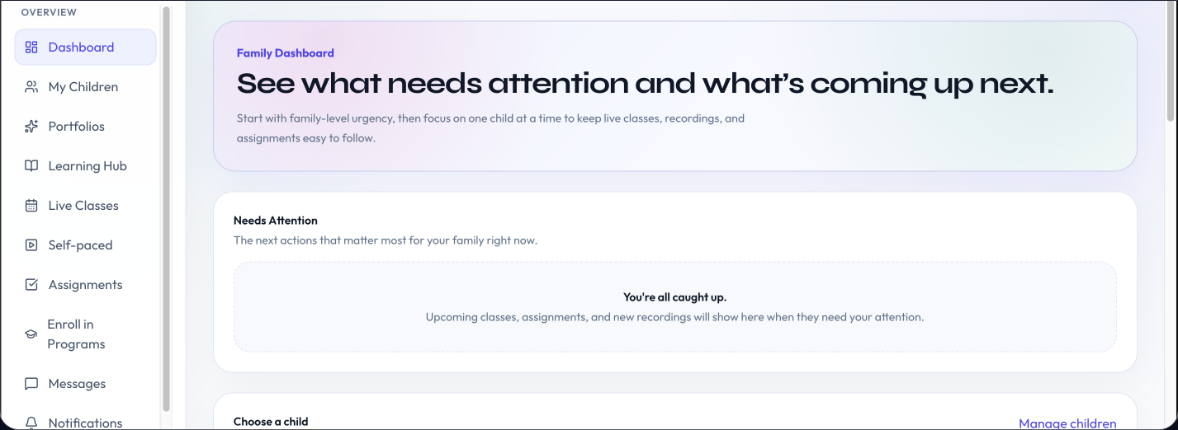
Weekly parent updateA short summary of what the class learned, built, and will do next.
Organized family portalClasses, assignments, messages, and each child's learning activity in one place.
Portfolio and progress noteFinished work and instructor observations collected across the term.
★★★★★
“The program went far beyond simply teaching kids how to use AI tools.”
Hima Patel · Verified Google review
Verified Google review from parent Hima Patel
Ugo Nkwocha, Founder and Academic Director at Transcend AI Academy
9,000+Children taught through 9jacodekids Academy, founded by Transcend founder Ugo Nkwocha.
10+ yearsChildren's technology education

Founder and Academic Director

Ugo Nkwocha

Founder · Academic Director · Engineer · Educator

Ugo Nkwocha leads the curriculum, educational direction, and teaching standards behind Transcend AI Academy. His work in children's technology education spans more than a decade, including leading 9jacodekids Academy.

Fall Term follows the standards he has developed: small groups, clear instruction, long build time, responsible AI habits, and projects students can explain rather than simply generate. Classes are led by Transcend instructors, and instructor assignments may vary by cohort.

“I built Transcend to give children the thoughtful, practical AI education I would confidently choose for my own family.”

Fall 2026 tuition

Choose the package that fits your family.

The first child is CAD $399. Each additional child is CAD $349. Every package covers the complete 10-week Fall Term.

1 child

CAD$399

Standard tuition

$399 per child

  • 10 live Saturday classes
  • Family portal access
  • Portfolio and Demo Day
Enroll Now

3 children

CAD$1,097

Save $100

$365.67 per child

  • 10 live Saturday classes
  • Family portal access
  • Portfolio and Demo Day
Enroll Now

4 children

CAD$1,446

Save $150

$361.50 per child

  • 10 live Saturday classes
  • Family portal access
  • Portfolio and Demo Day
Enroll Now

What every child receives

10 Saturday classes, 12:00–2:00 PM ET
Maximum eight students per group
Project templates and class materials
Student portfolio organized through the term
Weekly parent update
Family portal access
End-of-term progress note
Live online Demo Day
Beginner-friendly

No prior AI or coding experience is required. Students start with guided fundamentals.

Laptop-based

Students should be comfortable with a browser, keyboard or trackpad, tabs, links, and copy/paste.

Live English instruction

Students need to follow spoken and on-screen instructions. Younger students may need setup help.

Parent questions

Clear answers before you enroll.

What students need, what they will build, and how the ten-week term works.

No. Fall Term is beginner-friendly and starts with guided fundamentals. Because this is a laptop-based live class, students should be comfortable using a browser, keyboard or trackpad, tabs, links, and copy/paste, and they need to follow simple spoken and on-screen English instructions.

Students ages 8-11 join the Kids Track. Students ages 12-17 join Teen AI Advantage. Both tracks use the same core habits, with projects, independence, and expectations adjusted for the age group.

Fall Term begins Saturday, September 19, 2026, and runs for ten Saturdays through November 21. Classes meet live online from 12:00-2:00 PM ET each week. The Kids Track and Teen AI Advantage run at the same time in separate, age-appropriate groups.

Students complete multiple age-appropriate projects based on their interests. Depending on the track and project, that may include creative work, websites, useful tools, presentations, and multi-tool workflows. The goal is finished work they can test, improve, and explain.

Families receive portal access, weekly progress updates, an organized student portfolio, and an end-of-term progress note. The portal keeps classes, assignments, recordings, and student work in one place.

A laptop with a reliable internet connection is required. Tablets are not recommended for the class workflow. Account and setup instructions will be shared with enrolled families before the term begins.

Tuition is CAD $399 for one child for the complete ten-week term. For siblings, the first child is $399 and each additional child is $349: $748 for two children, $1,097 for three, and $1,446 for four.

Yes. During the final phase, each student chooses one project to polish and present live online. They explain what they made, how they made it, and why their choices matter.

Classes are led by Transcend AI Academy instructors. Instructor assignments may vary by program and cohort. Every instructor follows the same curriculum, small-group teaching model, responsible AI framework, and parent communication process. Ugo Nkwocha, Founder and Academic Director, oversees the academy’s educational direction and teaching standards.

Give your child ten weeks to turn curiosity into work they can show.

Choose the family package that fits and reserve your child's place through the portal.

Book Your Child's Slot
Scroll to Top